The Modern History of the South African Great White Shark

The Modern History of the South African Great White Shark

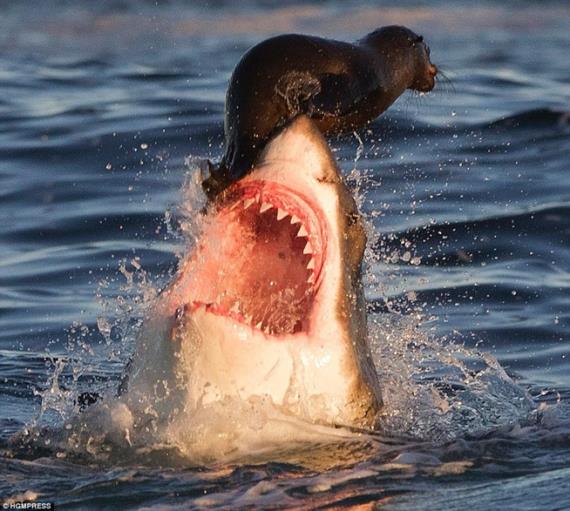
Our speaker Bruce Noble will take us back to the blood-soaked and tragic events of Black December 1957 .
Between December 1957 and April 1958 at least nine shark attacks occurred along the coast of KwaZulu- Natal . Six people lost their lives.
Tourists fled the Durban area causing a devastating impact on the local economy. Without thorough research into the possible reason for this sudden increase in shark activity, local authorities made desperate attempts to protect swimmers and surfers from shark attacks. Many will remember these attempts which included enclosures built from wooden poles and netting. A South African Navy frigate even dropped depth charges into the coastal waters causing few shark fatalities but killing huge numbers of other species. This resulted in many more sharks being attracted into the area to feast on the dead fish. Bruce Noble will tell us how those events in 1957 and the indiscriminate killing of white sharks still affect us today – and of the impact on our own waters, our tourism and the entire ecosystem of the ocean.
Bruce has been observing white shark behaviour in the Garden Route since 2004 .

In the latter part of 2025, he was named as co-author of a peer reviewed paper detailing almost 15 years of research work from the leading scientists and researchers in the world.
This paper deals with the declining great white shark numbers off the South African coast and what changes need to be made to ensure the survival of this ancient species in South Africa waters.
Passes, Poorts and Switchbacks. The Bain Legacy

Passes, Poorts and Switchbacks. The Bain Legacy


Friday 25th July 2025 5.30pm for 6.00pm, Lagoon Room, Beacon Island Resort, Speaker: Len Swimmer

We have all enjoyed the breathtaking views from the passes which enable us to travel over our spectacular mountains and into the beautiful valleys beyond .

But do we ever stop to think of the extraordinarily difficult journeys which faced our ancestors  before these incredible gateways were built ? 

Do we  pause to acknowledge the foresight,  planning and engineering which went into the construction process ?

Arguably the greatest of these road builders and engineers was Thomas Bain – probably the best known of the 19th century road makers who played such a major part in opening the hinterland of the Cape Colony . 

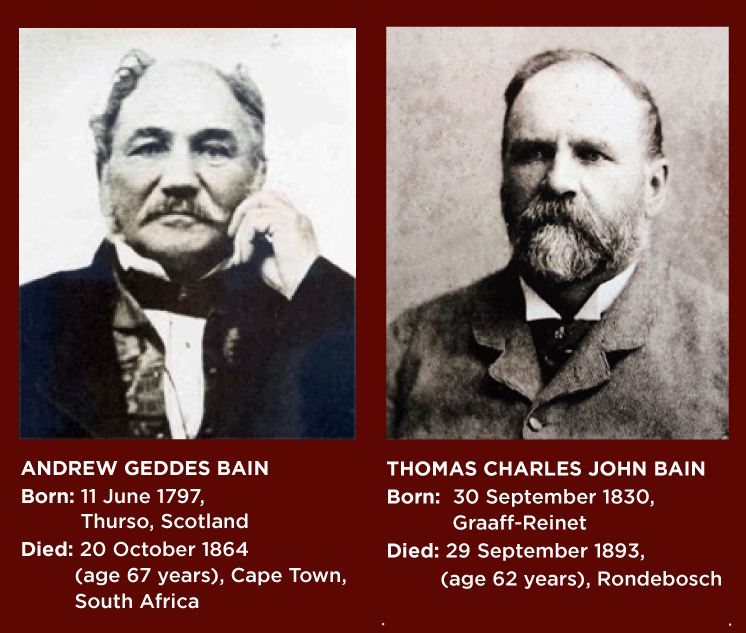
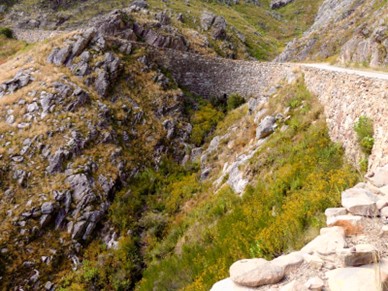
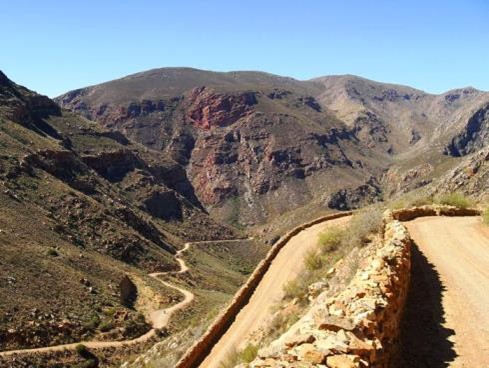
Thomas Charles John Bain  (not to be confused with artist and explorer Thomas Baines). and his father Andrew Geddes Bain  perfected the technique of constructing dry stone retaining walls – many of considerable height and length.   The roads they built are still standing and in use to this day.   

 Andrew was responsible for 7 major passes and Thomas for an incredible 26.

These were all completed in the days before modern equipment .

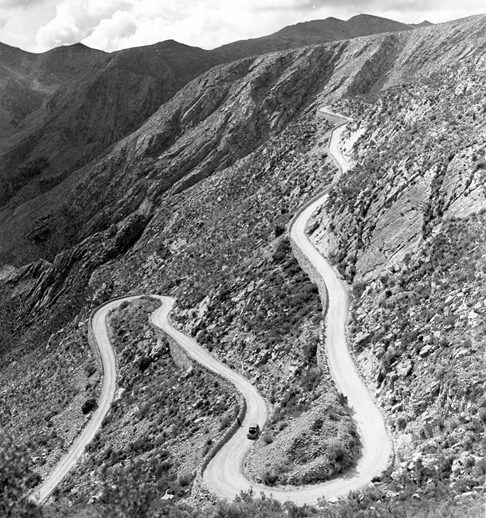
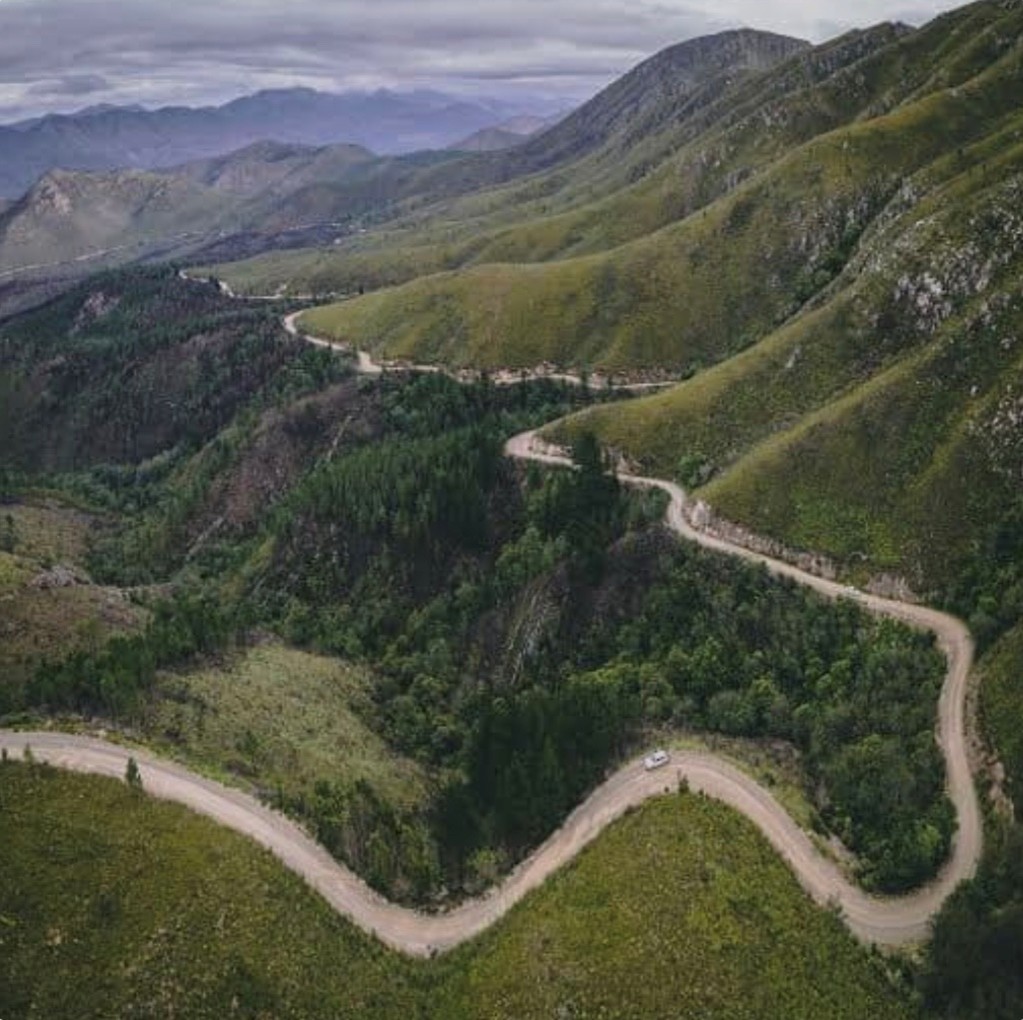
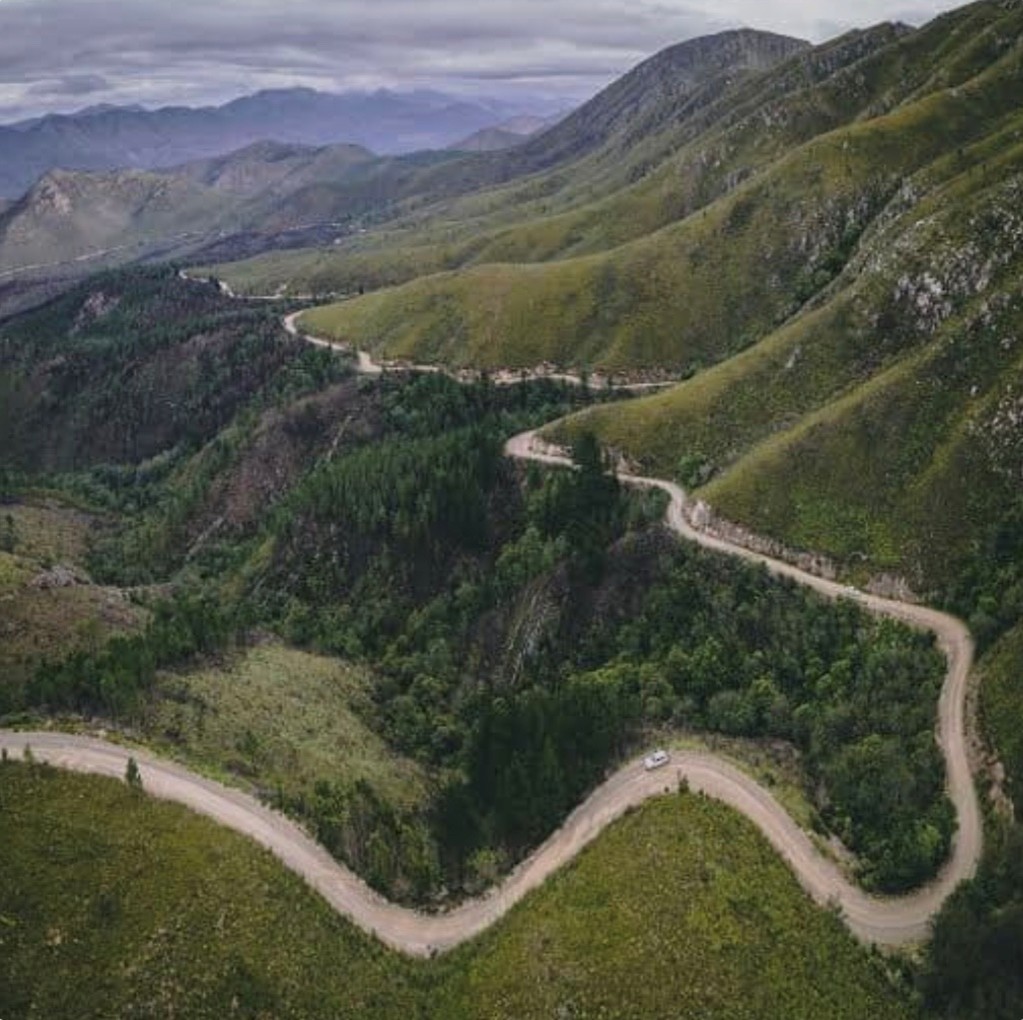
Two of the better known -the Swartberg Pass between Oudtshoorn and Prince Albert and our own Prince Alfred’s  pass which links us to the Langkloof still have gravel surfaces and remain largely as Thomas Bain built them .

Thomas Bain  is rightly credited with opening up South Africa for trade and travellers.

There was however much more to this amazing man.

As well as being an Associate Member of the Institute of Civil Engineers, he had a  profound knowledge of geology and was an enthusiastic botanist .  

His artistic skills are evident in his drawings, plans and maps mostly lodged in The University of Cape Town .

He enjoyed singing and also played the violin .

He was a devoted family man and father of 13 children who were home educated by his wife Johanna .

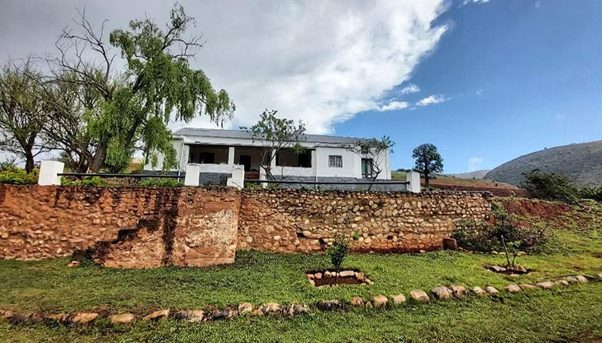
Their years in the little village of De Vlugt, which Thomas established during the construction of the Prince Alfred Pass, were particularly contented, although they also suffered their greatest sadness there when one of their daughters, Alice, died after an accident. 

Thomas Bain’s original cottage built around 1862 during the construction of Prince Alfred’s Pass


Towering stone walls of The Swartberg Pass


Prince Alfred’s Pass


Preserving the Past, Designing the Future: The Old Rectory’s Elegant Evolution.

Preserving the Past, Designing the Future: The Old Rectory’s Elegant Evolution.

The Old Rectory on Friday 16th May when Dael Fairbairn, principal of award-winning Erasmus Fairbairn Architects, will tell us how she came to be entrusted with the restoration and transformation of The Old Rectory into a luxury boutique hotel.

Known for their meticulous attention to detail, Fairbairn’s firm specializes in creating buildings that embody the genius loci (spirit of place) in every project they undertake.

Originally built as a barracks for the Dutch East India company (better known these days as the VOC) in the 18th century. It was referred to as “The Barracks” well into the 19th Century.

Read More

WINSTON CHURCHILL – WANTED DEAD OR ALIVE – REWARD £25

WINSTON CHURCHILL – WANTED DEAD OR ALIVE – REWARD £25

This alarming headline was widely distributed in November 1899 after Churchill’s capture by a Boer commando and subsequent daring escape.

Rodney Grosskopff will describe how a young Winston Churchill in his days in the British Army working as a war correspondent for The Morning Post, was captured from a derailed armoured train by a Boer commando. Both Jan Smuts and the formidable Louis Botha were present when he was taken into custody.

After the Boer Wars, Churchill went on to forge notable friendships with both men.

We will then learn how Churchill escaped from the State Model School in Pretoria and eventually, from the safety of Lourenço Marques, made his way to Durban by boat to a hero’s welcome.